
MaY 28, 2026
NEWSLETTER
Landslide catastrophes: 2025 confirmed a dangerous trend
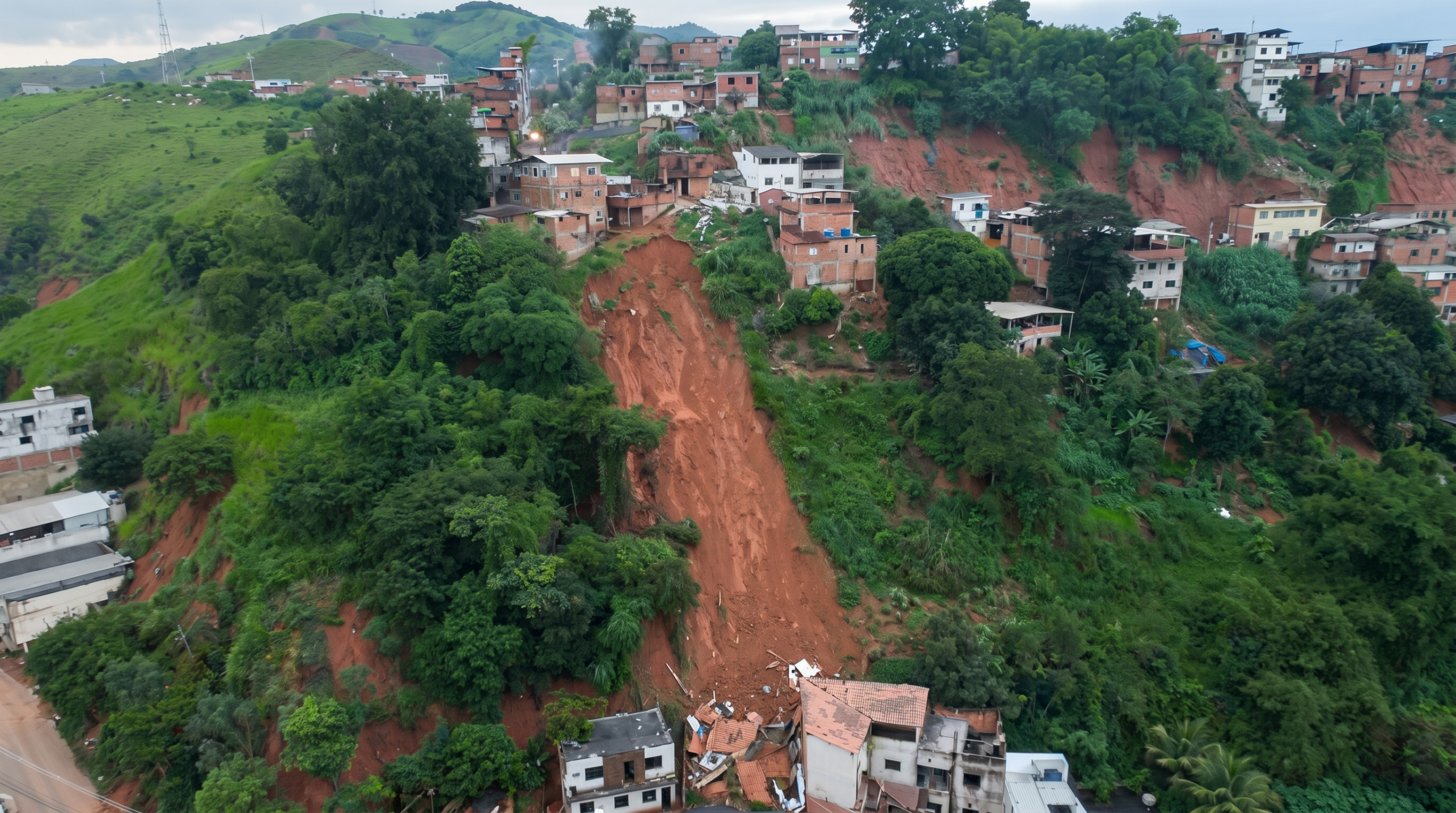
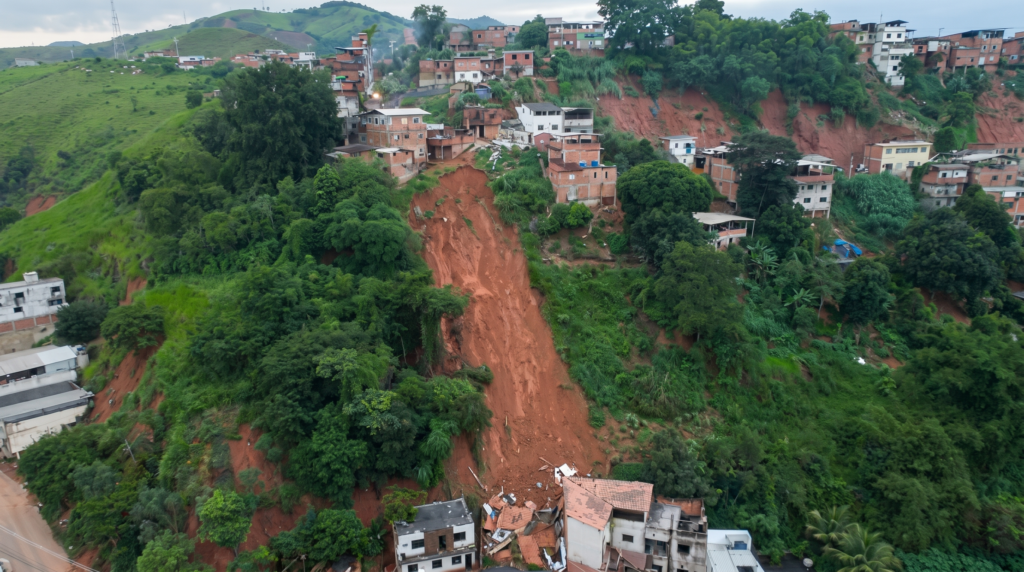
In our December 2025 Newsletter, we examined a series of recent severe landslide catastrophes that highlighted the growing instability of terrain in many parts of the world. Among the occurrences discussed were the devastating rainfall-triggered landslides in Nepal, deadly slope failures in Southeast Asia and Latin America, and a succession of flash rainfall events across Europe that disrupted infrastructure and transport networks. We also focused on the wave of extreme precipitation episodes that affected Spain and southern Europe, including the railway accident in Catalonia, where heavy rainfall triggered the collapse of a retaining wall onto a railway corridor[1].
At that time, one of the key observations was particularly striking: by August 2025, global fatal landslide statistics already suggested that the year was on track to become one of the worst on record. The cumulative number of fatal landslides was significantly above long-term averages and approached the extraordinary levels observed in 2024.
Now, with the full-year data available, we can look back and assess what 2025 ultimately became — and what it may tell us about the future of landslide risk worldwide.
The answer is clear: although 2025 did not beat the record of 2024, it confirmed that the global trend is moving in the wrong direction.
According to the global fatal landslide database maintained by Professor Dave Petley, which we also used last year, 2025 recorded 663 fatal landslides worldwide, causing more than 5,000 fatalities. This made it the second-highest year on record for fatal landslides, and substantially above the long-term average. [2]
[1] https://geokinesia.com/landslide-catastrophes-growing-concern-poor-response/
[2] https://eos.org/thelandslideblog/global-fatal-landslides-in-2025
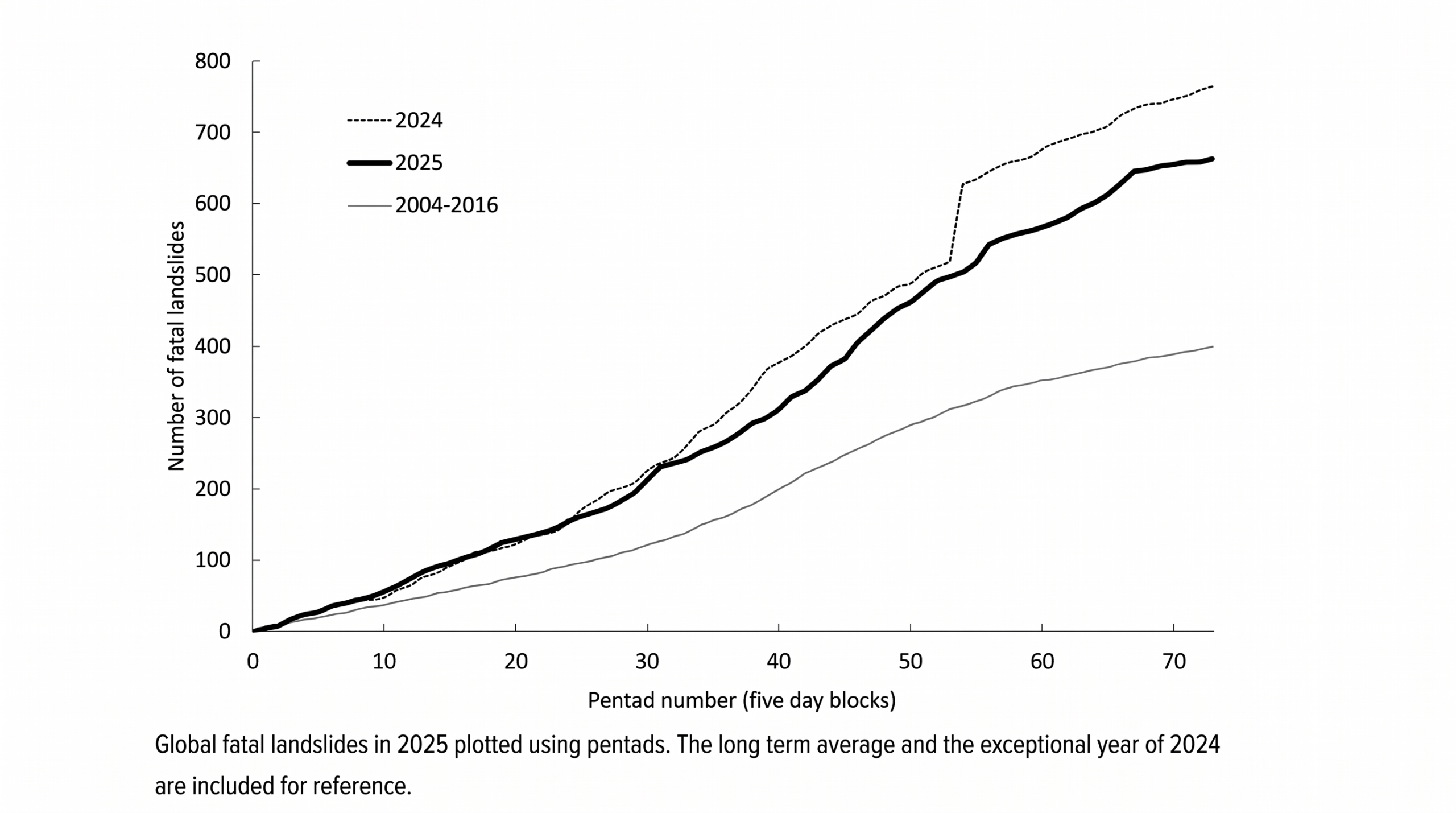
Importantly, the increase was not confined to a single region or a single catastrophic event. Instead, elevated landslide activity persisted throughout much of the year. The cumulative annual trend remained consistently above historical averages across most months, indicating that landslide occurrence is becoming both more widespread and more persistent.
Why Are Landslides Increasing?
The reasons behind this increase are complex, but several major drivers are evident.
First, the intensification of extreme rainfall. A warmer atmosphere can hold more moisture, resulting in more intense precipitation events, sudden cloudbursts, prolonged wet periods, and increasingly unstable hydrological cycles. Scientists increasingly refer to this phenomenon as “climate whiplash” — rapid swings between drought and extreme rainfall that destabilize landscapes and weaken slopes[3].
Heavy precipitation alone, however, is often only the trigger.
As we discussed in our previous Newsletter, repeated wetting cycles progressively modify the mechanical behavior of soils and slopes. Saturated soils lose shear strength. Pore pressure rises. Drainage patterns change. Minor deformations accumulate over time. Infrastructure embankments, retaining walls, road cuts, and mountain slopes gradually approach instability long before catastrophic failure occurs.
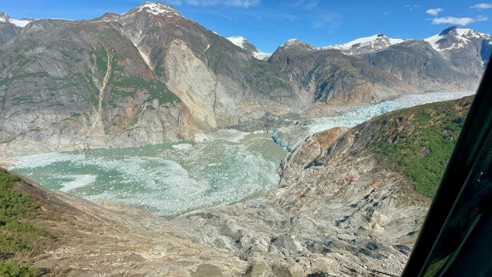
Climate change is also affecting mountainous and glaciated regions in new ways. In Alaska, for example, glacier retreat destabilized mountain slopes and contributed to the massive 2025 Tracy Arm landslide and tsunami event — one of the largest ever recorded.
[3] https://www.theguardian.com/environment/2025/jan/15/climate-whiplash-events-increasing-exponentially-around-world
Meanwhile, in regions such as the Himalayas, researchers increasingly associate rising landslide activity with erratic monsoon behavior, repeated saturation cycles, and the reactivation of dormant landslide zones[4].
Urbanization and infrastructure expansion further amplify the problem. Roads cut into unstable slopes. Informal settlements expand onto vulnerable hillsides. Drainage systems designed for historical rainfall conditions become overwhelmed by new climatic realities. At the same time, urban growth increasingly extends into regions characterized by clay-rich soils prone to shrink–swell processes and karst terrains vulnerable to subsidence and collapse, while excessive groundwater extraction further contributes to large-scale ground deformation in many parts of the world. What was once considered a rare event is increasingly becoming part of a recurring pattern.
[4] https://timesofindia.indiatimes.com/city/dehradun/erratic-monsoon-old-fault-lines-surge-landslides-in-garhwal-himalayas/articleshow/126551170.cms
A Growing Risk Across the World
The implications are profound because landslide risk is no longer limited to isolated mountain communities.
Many regions around the world now face a dangerous combination of steep terrain, increasing precipitation intensity, expanding infrastructure exposure, and growing populations.
In the United States, landslide risk is increasing in mountainous western states, California coastal zones, and parts of Alaska where glacier retreat and wildfire-driven slope destabilization are becoming major concerns.
In Brazil, repeated episodes of torrential rainfall continue to trigger deadly urban landslides in densely populated hillside settlements. Recent events in south-eastern Brazil again demonstrated how quickly intense rainfall can escalate into large-scale humanitarian crises.
Central America faces similar vulnerabilities, where tropical rainfall, deforestation, and mountainous terrain combine to create highly unstable conditions during the rainy season.
Peru and the Andean regions continue to experience recurrent slope failures affecting transport corridors, mining infrastructure, and rural communities.
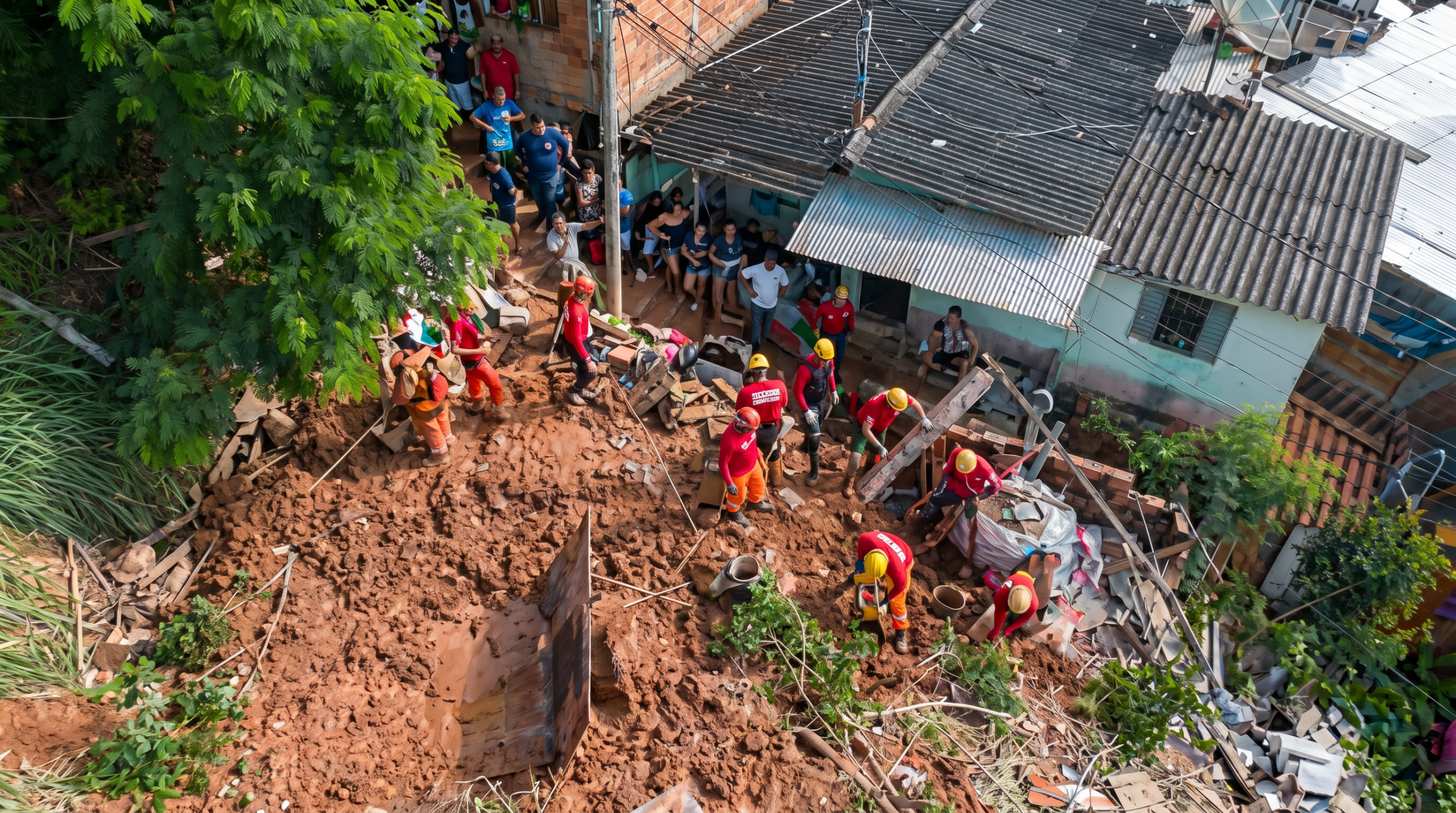
The Philippines and Southeast Asia remain among the most exposed regions globally due to the combination of steep topography, tropical cyclones, intense monsoon rainfall, volcanic terrain, and rapidly growing urban populations.
Even Europe — traditionally perceived as relatively stable in terms of geohazards — is increasingly exposed. Mediterranean flash rainfall events, Alpine slope instability, and recurrent railway and road disruptions demonstrate that landslide vulnerability is becoming a critical infrastructure issue across developed economies as well.
From Reaction to Preparedness
The lessons of 2025 are difficult to ignore.
Landslides are becoming more frequent, more geographically widespread, and increasingly connected to evolving climatic patterns. Extreme rainfall events are intensifying. Ground conditions are changing. Infrastructure systems designed for past climatic realities are facing new stresses.
The consequences now affect not only remote mountain regions but also railways, highways, urban environments, logistics corridors, utilities, and critical infrastructure networks that modern societies depend upon every day.
The good news is that technology now allows us to move from reactive management toward proactive preparedness.
Continuous monitoring, predictive analytics, early warning capability, and operational response integration are no longer experimental concepts. They are becoming essential components of climate resilience.
Because in many parts of the world today, landslides are no longer rare geological accidents. They are becoming a recurring consequence of a changing planet.
Lorem ipsum dolor sit amet, consectetur adipiscing elit. Ut elit tellus, luctus nec ullamcorper mattis, pulvinar dapibus leo.